Unlocking the Power of Health Data
Data and its use to create measurable value is or core importance – Interview
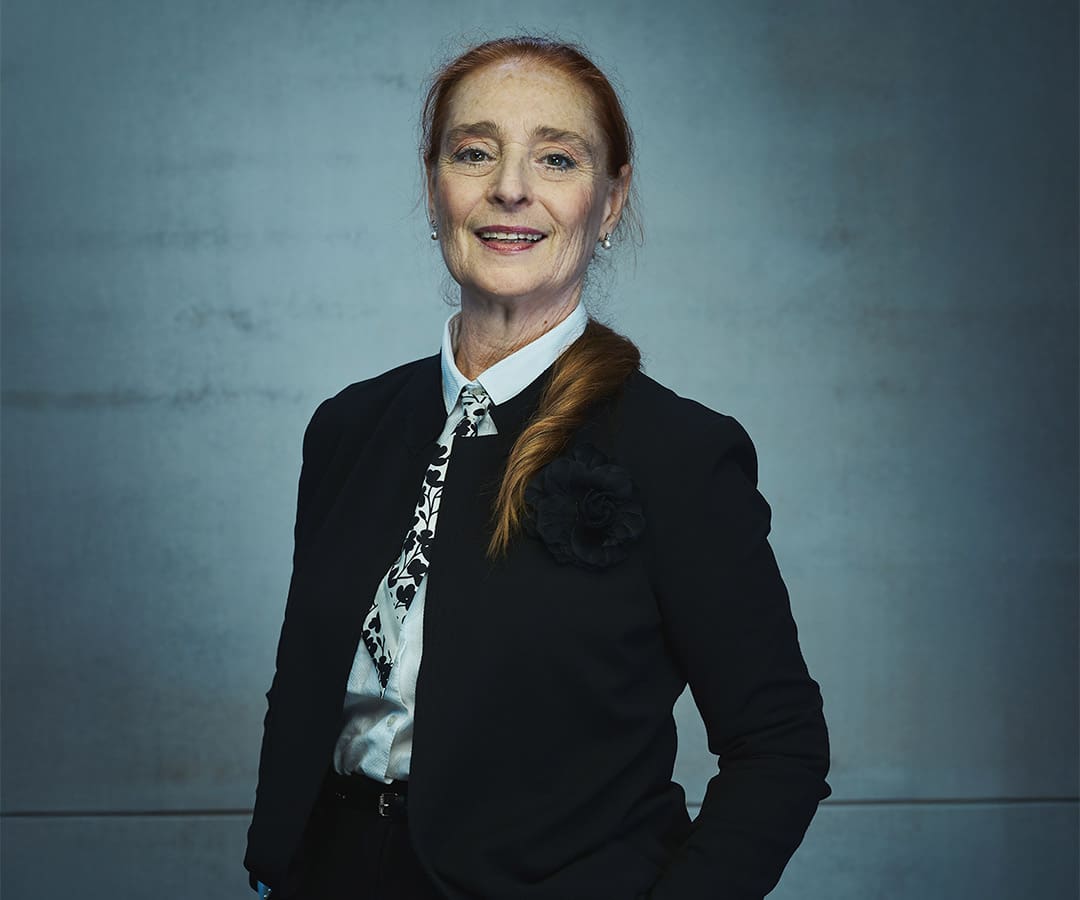
Sara Luisa Mintrone is the Head of the Data Valorisation Business Unit, where she leads initiatives to empower healthcare data. With a strong background in digital healthcare, she is passionate about leveraging technology to improve patient outcomes and create sustainable healthcare ecosystems. Healthcare is undergoing a profound transformation, and data is at the center of it. Stepping into the role of Head of the Data Valorisation Business Unit, Sara’s vision is clear: to unlock the potential of health data and turn it into meaningful outcomes for patients, clinicians, and healthcare systems.
What’s the core mission of your Data Valorisation Business Unit, and how does it fit into digital healthcare?
Sara Mintrone: Our goal is simple: enable hospitals to do a correct, safe and effective secondary use of healthcare data. Thanks to our solutions we support hospitals to aggregate, clean, structure and code their data, in order to valorise them and unlock the possibility of secondary use, both for clinical research and additional use cases. In the digital health era, data valorisation is the bridge between cutting-edge technology and real-world health improvements.
What are the biggest challenges in valorising healthcare data?
S. Mintrone: There are a few big ones. First, data quality—if the data isn’t accurate or complete, the insights won’t be reliable. Then there’s interoperability, because healthcare systems still have issues in talking to each other. And of course, privacy and security—people need to trust that their data is safe. Finally, there’s the cultural shift: getting everyone to see data not as an administrative burden but as a strategic asset. We’re tackling these challenges with advanced tech and strong partnerships.
How do you balance innovation with compliance, especially with regulations like GDPR?
S. Mintrone: That’s a great question, and honestly, it’s at the heart of what we do. We start with privacy by design, meaning data protection is built into every solution from day one. We focus on transparency, so people know exactly how their data is used. And we use secure technologies like encryption, anonymization and role based access control. This way, we can innovate responsibly without compromising trust or compliance.
Does Dedalus already offer solutions in the data field?
S. Mintrone: Yes, data transformation is not only a future business for us. Its something that we have been working on for some time now. And it’s a field, where we offer our customers solutions that they can use today. Take Trials4care, for example, which acts like a bridge between data from hospitals and other actors like pharma and clinical research companies. Also many of our offering brings data into play: our Analytics and Research platform as well as clinalytix Medical AI or Command Center aim to give value to healthcare data.
Which trends in data-driven healthcare excite you the most for the next few years?
S. Mintrone: There are three that really stand out. First, AI—both generative and predictive—which will help personalize diagnostics and treatments. Second, digital twins of patients, so we can simulate scenarios and prevent issues before they happen. And third, open and secure data ecosystems, which will drive collaboration between public and private players. These aren’t futuristic ideas—they’re already starting to reshape healthcare.
At the end of the day, data is more than numbers—it’s stories, it’s lives, it’s opportunities to make healthcare smarter and more human. Our mission is to make sure that every piece of data contributes to better outcomes and a healthier future. That’s what drives us every day.