Spark Medical reduces administrative burden by up to 80 hours per month with mobile EPR
Independent ambulance provider Spark Medical has cut up to 80 hours of admin time a month by replacing paper patient records with a mobile EPR, freeing up time for frontline paramedics and improving how information is shared with NHS ambulance trusts during handover.
Dedalus’ OneResponse system has digitised Patient Report Forms (PRFs) across frontline care and event operations for Spark Medical, whose crews manage almost 5,000 patient contacts per month. All contacts were previously recorded on paper and required manual processing.
The introduction of OneResponse enables clinicians to capture patient records digitally at the point of care and share them directly with receiving services, including NHS ambulance trusts. The mobile EPR removes duplication, improves accuracy of clinical documentation, and ensures that patient information is available immediately across teams during handover.
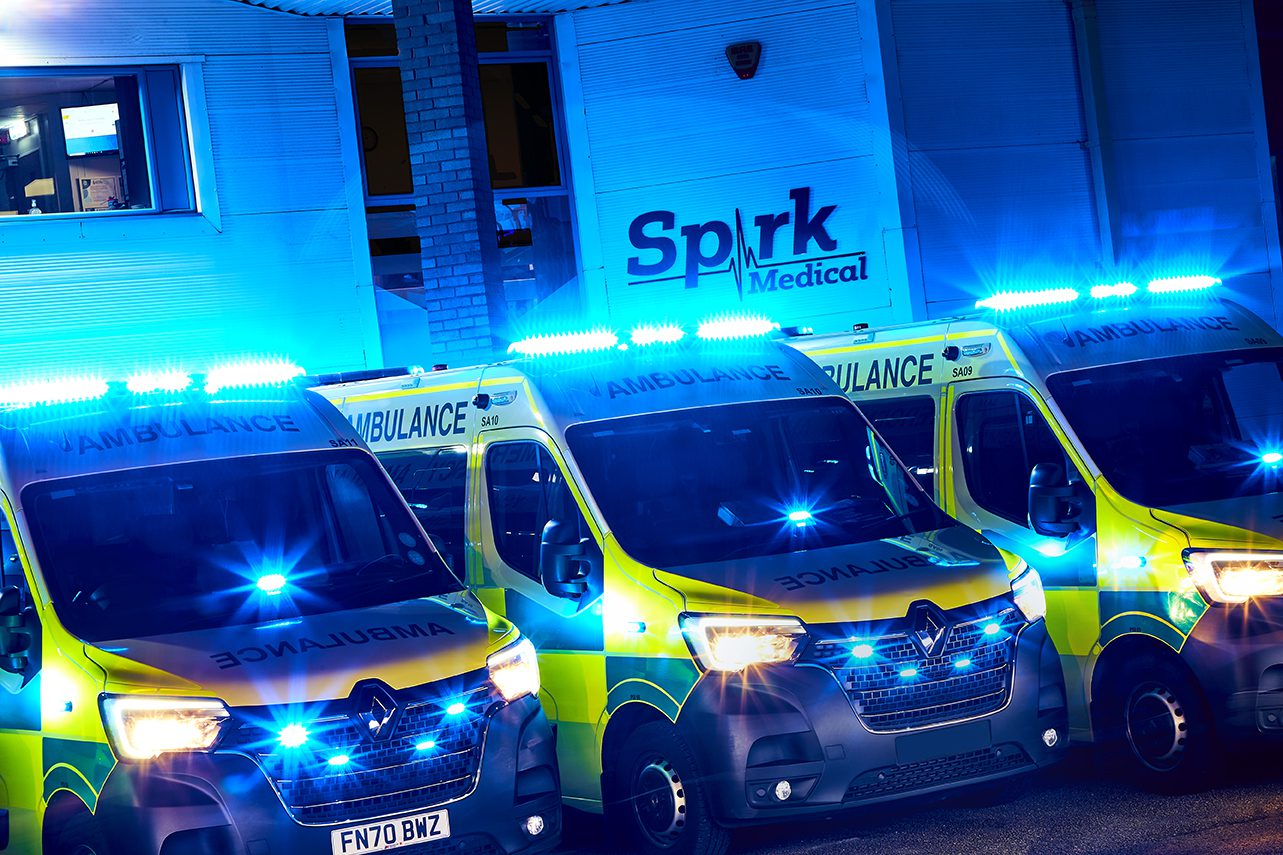
Matt Richards, Operations Lead at Spark Medical said, “we can transfer patient records directly between crews without paper. It’s a seamless handover, and it makes a real difference when we’re working alongside NHS ambulance services.”
Molly Noble, Paramedic at Spark Medical, added, “OneResponse has made my role so much easier. It’s made patient care quicker, more effective, and allowed me to look at patients more holistically.”
To further aid the work of highly pressured ambulance crews, the system also provides access to GP Connect data, allowing clinicians to view relevant patient history in real time. This integration enables more informed decision-making, reduces reliance on patient recall, and connects care across disparate pathways.
By removing paper-based workflows, the providers have reduced administrative activity, freeing up clinical time for frontline teams and improving overall service efficiency. Paper PRFs previously reaching tens of thousands annually, and their removal has also delivered environmental benefits, reduced costs and minimised the risk of lost or incomplete records.
Following Spark Medical’s merger with Mersey Medical in early 2026, the two organisations are now working more closely together, using Dedalus technology to transform how they deliver care. OneResponse is used by both to streamline clinical workflows, improve information sharing and support seamless handovers. Building on this success, Mersey Medical has begun rolling out the system across its own operations.
Mark Hanley, Assistant Service Delivery Manager at Spark Medical, said, “the biggest difference for me is our ability to report on our patients. We now have clear visibility of what’s happening across the service, rather than relying on manual processes and fragmented data.”
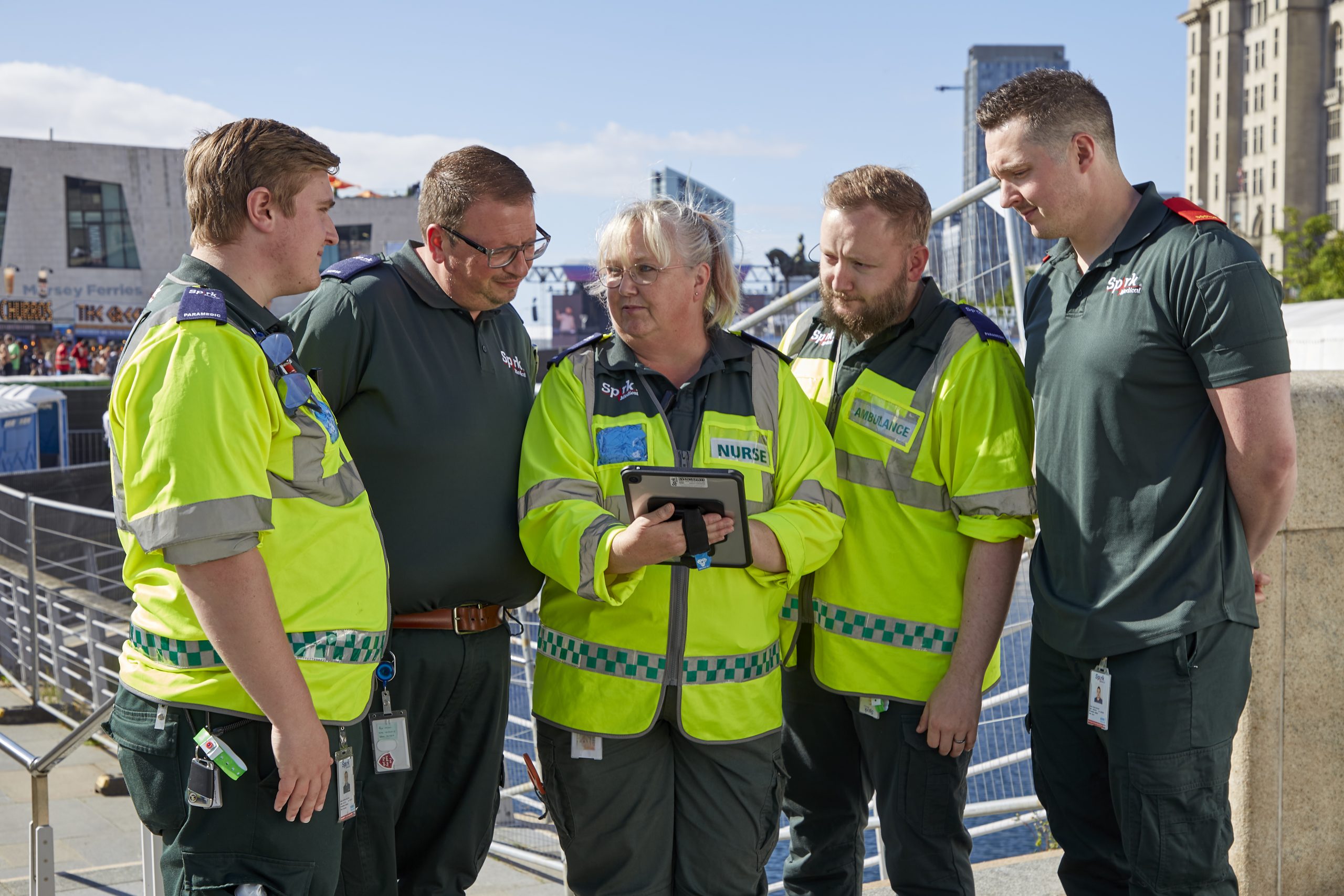
Service oversight comes from structured monthly reporting featuring activity, patient destinations, outcomes and clinician-level data, alongside improved alignment with NHS data and reporting expectations.
“Ambulance services, across both NHS and independent sector, are facing growing pressure to deliver faster, more connected care,” said Bishoy Dimitri, Chief Clinical Information Officer, Dedalus. “Our priority is to give frontline teams the digital tools they need to reduce administrative burden, improve the flow of information between organisations, and ultimately enable safer, more joined-up care.”
As demand continues to grow across urgent, emergency and event-based care, digital solutions such as OneResponse are expected to play an increasingly important role in supporting large-scale ambulance operations with instant access to patient information and streamlined digital workflows. This will become even more important ahead of major sporting events, including the 2028 UEFA European Championship, which will be hosted across the UK.
Building on its success, Spark Medical has expanded its use of the platform into Wales, with Scotland set to follow.
Learn more about how OneResponse is improving patient safety and supporting frontline clinicians in pre-hospital settings
[OneResponse Video Case Study]
This case study highlights how paramedics and emergency responders are leveraging real-time, mobile access to patient records to improve decision-making, streamline workflows, and deliver faster, safer care in the field.